
Typical applications Applications such as those in autoclaves and manufacturing processes that involve curing a material can be challenging for pressure sensors. These applications may involve large changes of pressure and temperature. Changes in pressure can range from vacuum to a positive pressure depending upon the manufacturing process. The process may also involve temperature and pressure cycling, delivering more rapid changes of pressure and temperature.
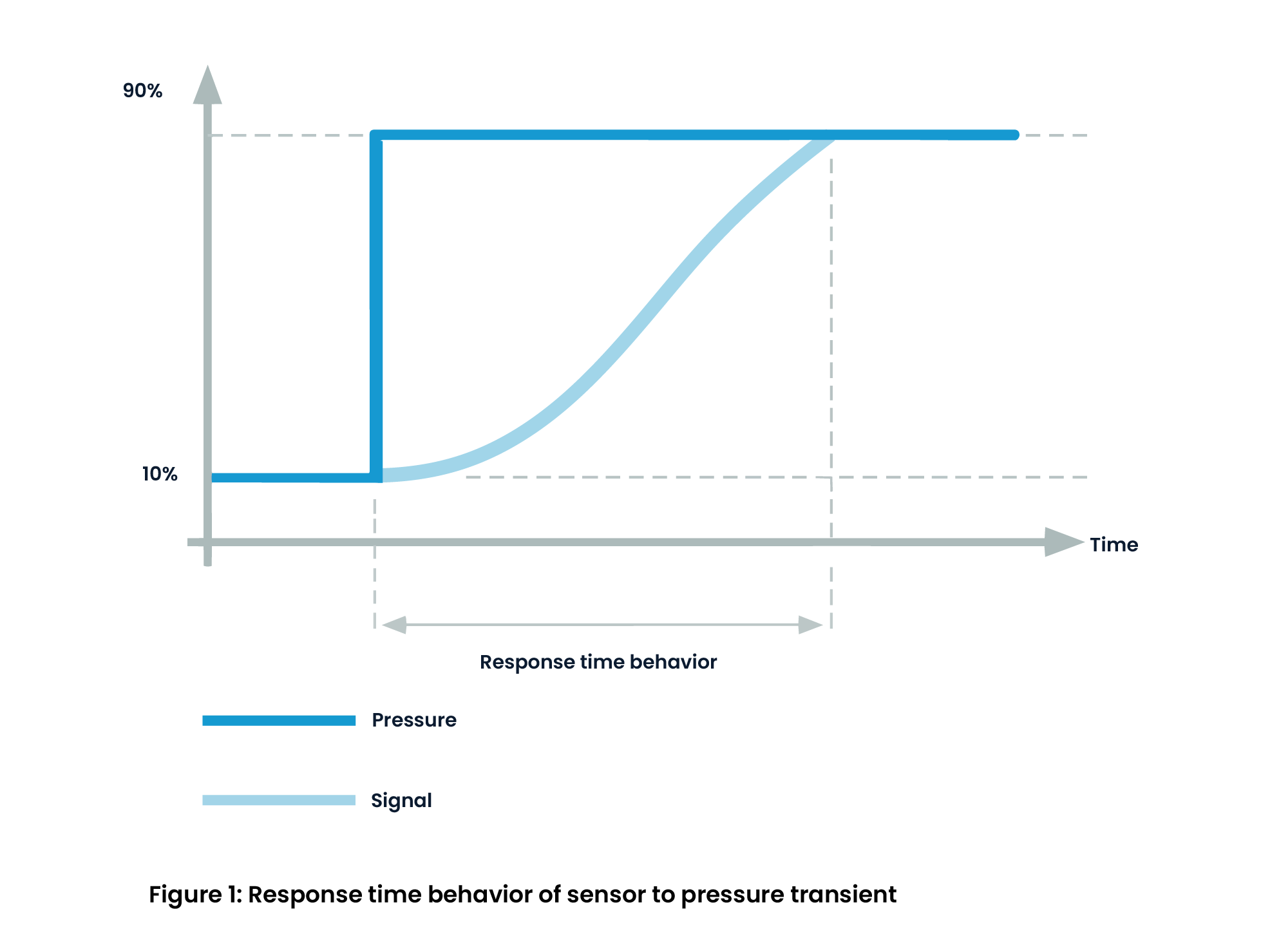
How does this affect pressure sensors? In a rapidly changing pressure application, consideration of the pressure sensor response time is necessary. The pressure sensor should be capable of responding as fast or faster than the system pressure changes otherwise changes could be ‘missed’, in effect the pressure sensor does not ‘see’ transients which could cause an issue in maintaining close control of the process.
Understanding and accounting for pressure transients can be tricky, but it is a more commonly understood phenomenon. Perhaps less so are errors due to temperature, particularly in rapid cycling situations. Temperature errors are defined by the characteristics below;
• the compensated temperature range • the accuracy over this temperature range • the thermal response characteristic of the sensor
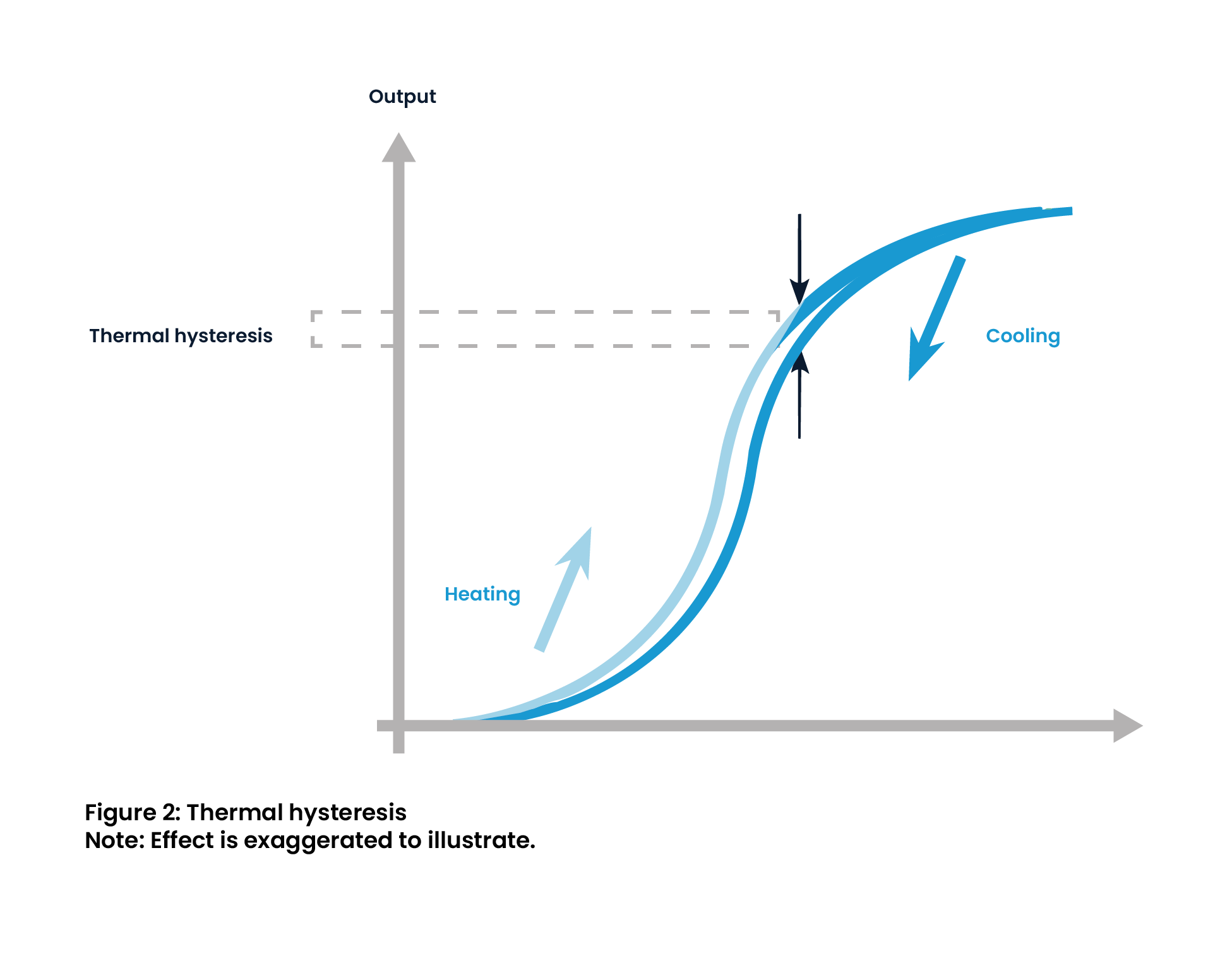
In these applications, the thermal response, primarily thermal hysteresis, the difference in output while heating versus while cooling over the same temperature range, of the pressure sensor must be understood. A sensor with large thermal hysteresis errors will not be transducing the actual process pressure, particularly in a pulsing autoclave or curing application where temperatures are continually ramping up and down.
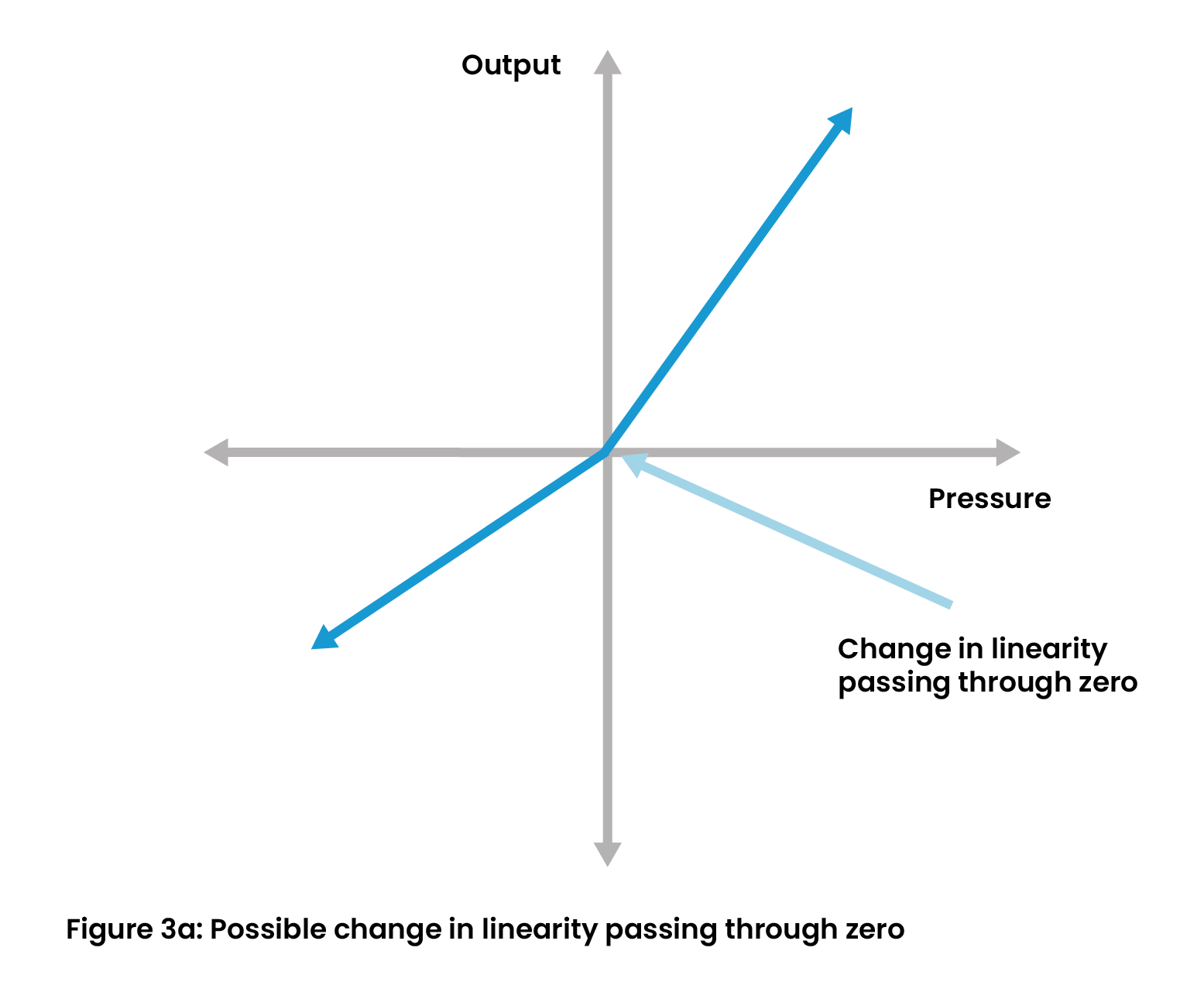
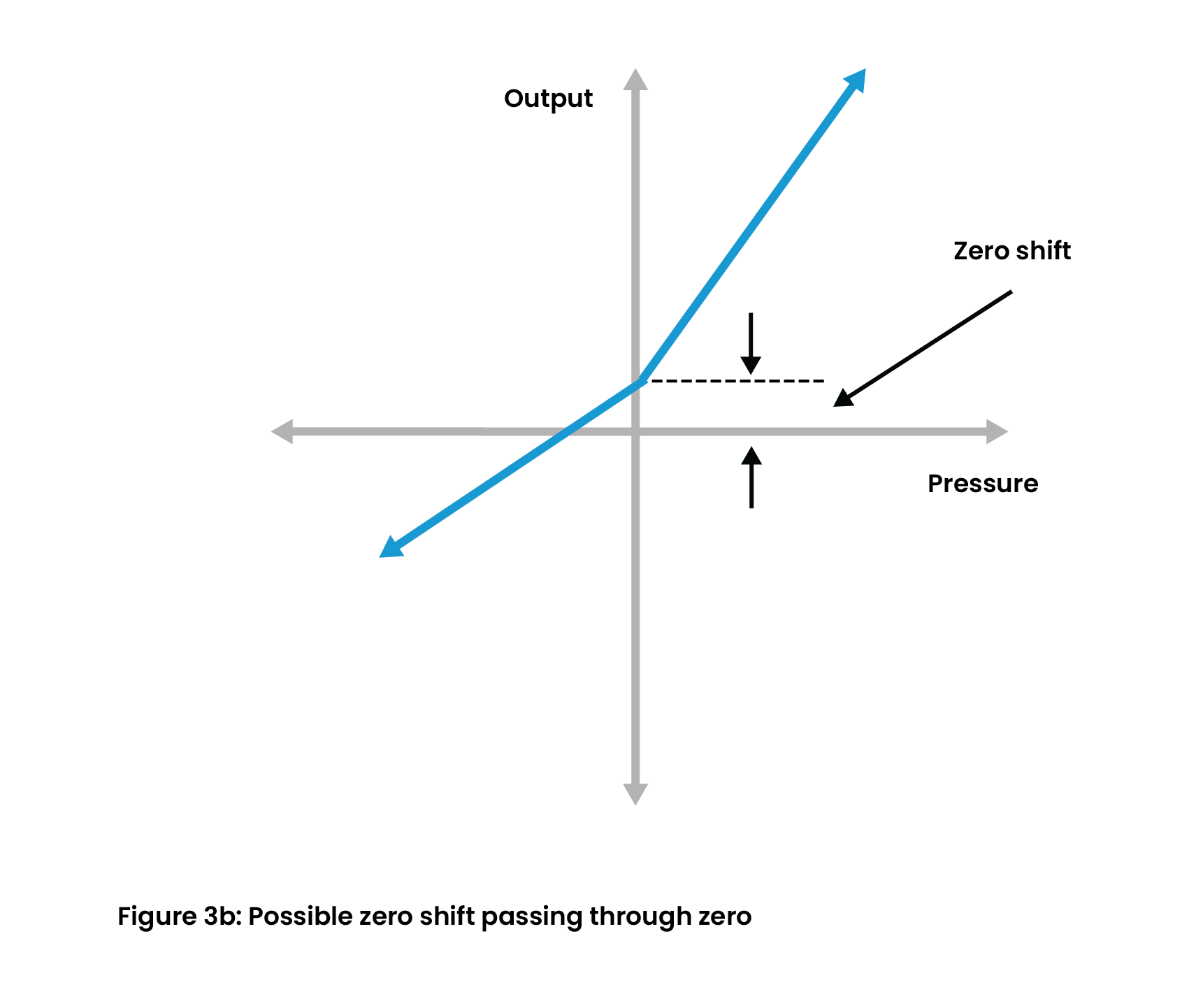
Additionally, in these types of applications the pressure sensor can be exposed to a cycle of positive and negative gauge pressures, resulting in the sensing element being displaced in opposite directions from its unpressurized condition. Depending upon the technology and construction this can result in a non-linearity and/or non-repeatability through zero as well as a zero shift with this repeated cycling.
For sensors with an oil-filled medium between the sensing element, the quality of the oil fill is important for sustained use in these applications. Depending upon the value of the negative gauge or vacuum pressure, there is a possibility of “out-gassing” from the oil fill if this oil is not thoroughly outgassed during the sensor production process. Oil that has “out-gassed” will create a bubble in the oil fill, causing large errors in the pressure medium through both temperature and pressure changes.
How do Druck address these concerns? Druck’s pressure module has been designed to operate reliably in these applications including high vacuum such that there is no possibility of any issues with out-gassing. With a background in providing sensors for aerospace and pressure calibration transfer standards, including laboratory, sensor production and portable applications, Druck’s highly engineered pressure module and disciplined production processes make our sensors well-suited for many demanding applications.
- Contact Us
- Continue exploring Druck's Technical notes
- Find out more about Druck's pressure sensors
- Request a quote for your application
