
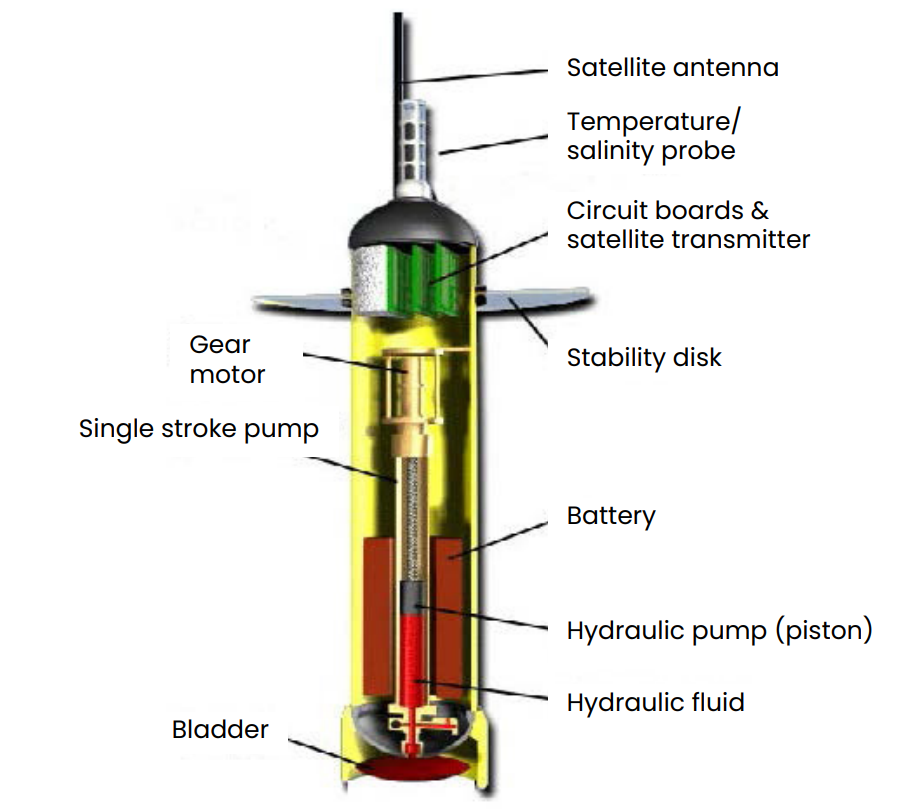
Customer’s challenge Argo is an international programme that deploys free floating buoys (floats) to provide real time observations of the world’s oceans. The floats measure both temperature and salinity in the upper 2000 meters (m) of the ocean, providing key data for understanding and predicting climate change.
Each float carries a sensor in order to measure the water’s temperature, salinity and pressure (depth).
Druck’s customer required a corrosion resistant, low power, highly accurate, longterm stable pressure sensor to provide reliable pressure readings from the floats.
Long term deployment in marine environments required the sensor and the instrument in which the sensor is housed to be highly resistant to corrosion. It therefore seemed logical to choose titanium as the material selection for the instrument, as well as the pressure sensor to avoid a galvanic corrosion between dissimilar metals.
At a deployment depth of 2,000 metres (6,561 feet) this requires a 200 bar sensor which is unusually high for a sensor made with titanium.
The longer the floats can be active in service the lower the cost of each data point, therefore it was essential for the sensor to work accurately at the required depth for the entire deployment and use as little power as possible to provide depth readings without exhausting the float’s energy store.
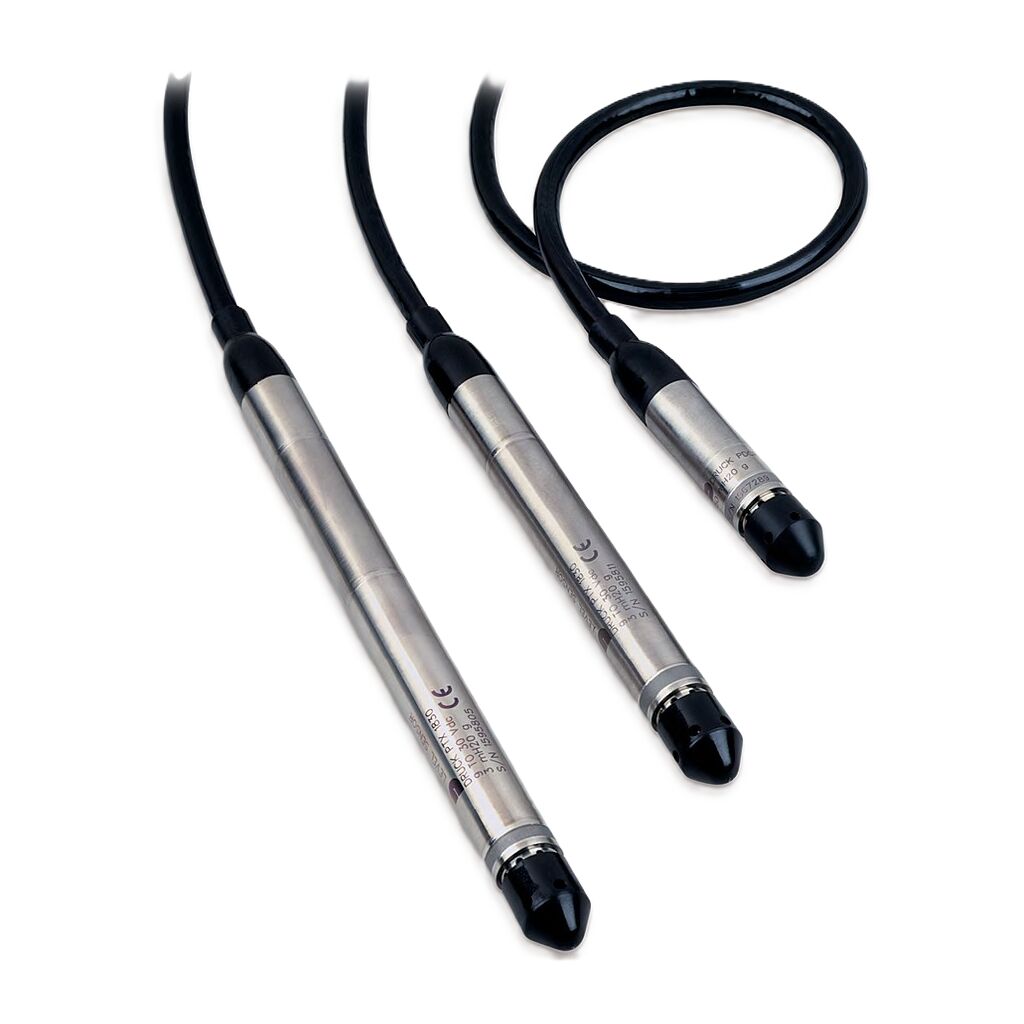
Picture 2: PDCR1830 pressure transducers
Druck’s solution The Druck team conducted a full analysis of this customer challenge and determined that the standard PDCR1830 could be adapted with a new module designed within the sensor to work at high pressures. This involved working closely with our suppliers to select the best grade of titanium to survive this high-pressure environment.
The accuracy and low power consumption of the bespoke product supplied by Druck has enabled the Argo float program to supply critical data to governments universities and people who live by the sea.
Druck’s added value Druck’s high stability, low power consumption and robust design of its piezoresistive pressure sensors has enabled the customer to supply reliable long-lasting Argo floats to the measurement program for over decades.
The ability to deploy the floats for extended periods considerably lowers the cost of maintaining them. The more floats that are deployed the more complete the data set and the more accurate the predictions of future trends.
The equivalent of the entire UK domestic electricity usage is being used to heat the oceans for the last decades. The Argo float program and the PDCR1830 make it possible for us to know this.
- Contact Us
- Continue exploring application stories from Druck
